Classical Jyotiṣa integrates gemstones as one of the remedial measures (upāya), alongside mantra, yantra, dāna, and worship.
 Lesson #1: Navaratna
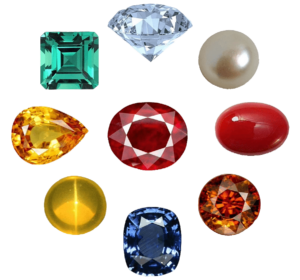
A classical mapping of planets to gems is preserved in Ratna‑śāstra:
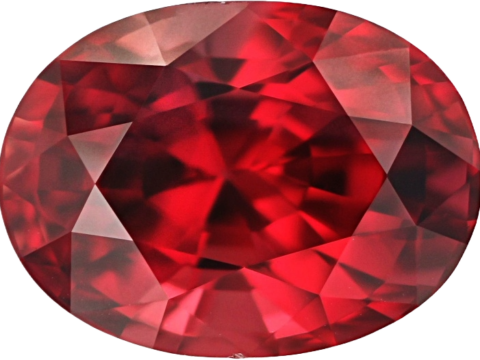
- Sun → Ruby
- Moon → Pearl
- Mars → Red Coral
- Mercury → Emerald
- Jupiter → Yellow Sapphire
- Venus → Diamond
- Saturn → Blue Sapphire
- Rāhu → Hessonite
- Ketu → Cat’s Eye
Ratnaśāstra—the traditional Indian science of gemstones—occupies a unique position at the intersection of Jyotiṣa (astrology), Āyurveda (medicine), Śilpaśāstra (craftsmanship), and Tantric metaphysics. Far from being a peripheral curiosity, Ratnaśāstra forms a systematic body of knowledge that integrates cosmology, mineralogy, ritual purity, and remedial practice. Its classical expositions appear in texts ranging from Varāhamihira’s Bṛhat Saṁhitā to specialized treatises such as Parāśara’s Ratna‑parīkṣā and Rudrakavi’s Ratna‑samucchaya.
The Sanskrit term ratna (gem, jewel) is etymologically linked to the root √rā (“to give, to bestow”), indicating its role as a bestower of auspiciousness, vitality, and planetary harmony.